Local technology planning for this regulated operation
A Manhattan firm and a warehouse in Queens may use the same Microsoft tools, but the operational constraints around them are entirely different. An office move can unravel when the carrier install slips, the low-voltage contractor terminates the wrong room, or the furniture plan changes after access points were designed. Our review follows the transaction end to end: how a user signs in, reaches the application, exchanges data, gets monitored, and returns to work if any layer fails. Escalation does not stop at the edge of our toolset. We manage conversations with carriers, SaaS vendors, landlords, security teams, and specialty contractors until ownership is clear. The relevant local detail is strict certificate-of-insurance and loading-dock procedures, so planning cannot be reduced to a generic remote checklist. In Midtown Manhattan, strict certificate-of-insurance and loading-dock procedures; that constraint belongs in the technical plan rather than appearing as a surprise on installation day. Sound standards make growth less fragile. A new floor, acquisition, remote team, or client requirement can extend a known architecture rather than creating another isolated island. Alpha Computer Group applies that standard in Midtown Manhattan with experienced judgment rather than a one-size-fits-all stack.
The facility, workflow, and oversight environment
The work is not simply technical. A successful visit can depend on a certificate of insurance, freight-elevator slot, building engineer, carrier ticket, and change window lining up at once. A staff report of 'slow Wi-Fi' might actually involve roaming behavior, channel contention, a VPN route, building interference, or a SaaS platform having trouble outside the office. Network engineering covers switching, wireless capacity, segmentation, firewall policy, DNS, VPN, carrier diversity, power, rack conditions, and clean documentation of shared-building handoffs. Runbooks are written for stressful moments: concise enough to follow during an outage, specific enough to avoid improvisation, and stored where the right people can reach them. The relevant local detail is dense Wi-Fi environments and crowded telecom risers, so planning cannot be reduced to a generic remote checklist. Borough-to-borough travel is not a recovery strategy. Remote diagnostics, out-of-band options, documented local steps, and strategically placed spares reduce dependence on traffic conditions. We do not recommend a control merely because it exists. The benefit, operational cost, user impact, and residual risk need to make sense for this particular organization. For established city businesses, that combination of engineering, logistics, and accountability matters more than a help desk's marketing vocabulary.
Responsive IT services for daily operations
Most costly outages are not exotic; they grow from expired ownership, untested recovery, crowded infrastructure, or a change that nobody connected to its downstream effect. Growing firms often inherit a collection of collaboration spaces, cloud subscriptions, personal workarounds, and security exceptions that nobody intended to become permanent. For IT and Physical Security for Cannabis and Hemp Processing Facilities in Midtown Manhattan, we map administrative control, identity, endpoints, network paths, cloud dependencies, recovery data, vendor obligations, and the physical constraints of the space. Quarterly planning connects support evidence to leases, headcount, client commitments, cyber insurance, compliance work, and the leadership team's appetite for operational risk. This is especially important for cannabis and hemp extraction, processing, packaging, and testing facilities operating in and around Midtown Manhattan, where production uptime, hazardous-area awareness, controlled access, surveillance, environmental systems, inventory traceability, and segmented operational networks, with site and service planning shaped by the high-rise business core from Times Square through Grand Central and Midtown East can affect customers and staff at the same time. Shared buildings demand clear boundaries. We identify what belongs to the tenant, landlord, carrier, and managed provider before an incident forces everyone into the same conference call. Resilience is an economic choice. The right design aligns recovery time and data loss with consequences the organization has actually discussed and accepted. That is the working definition of dependable it and physical security for cannabis and hemp processing facilities in midtown manhattan in New York: engineered for the city, communicated clearly, and tested against a real business day.
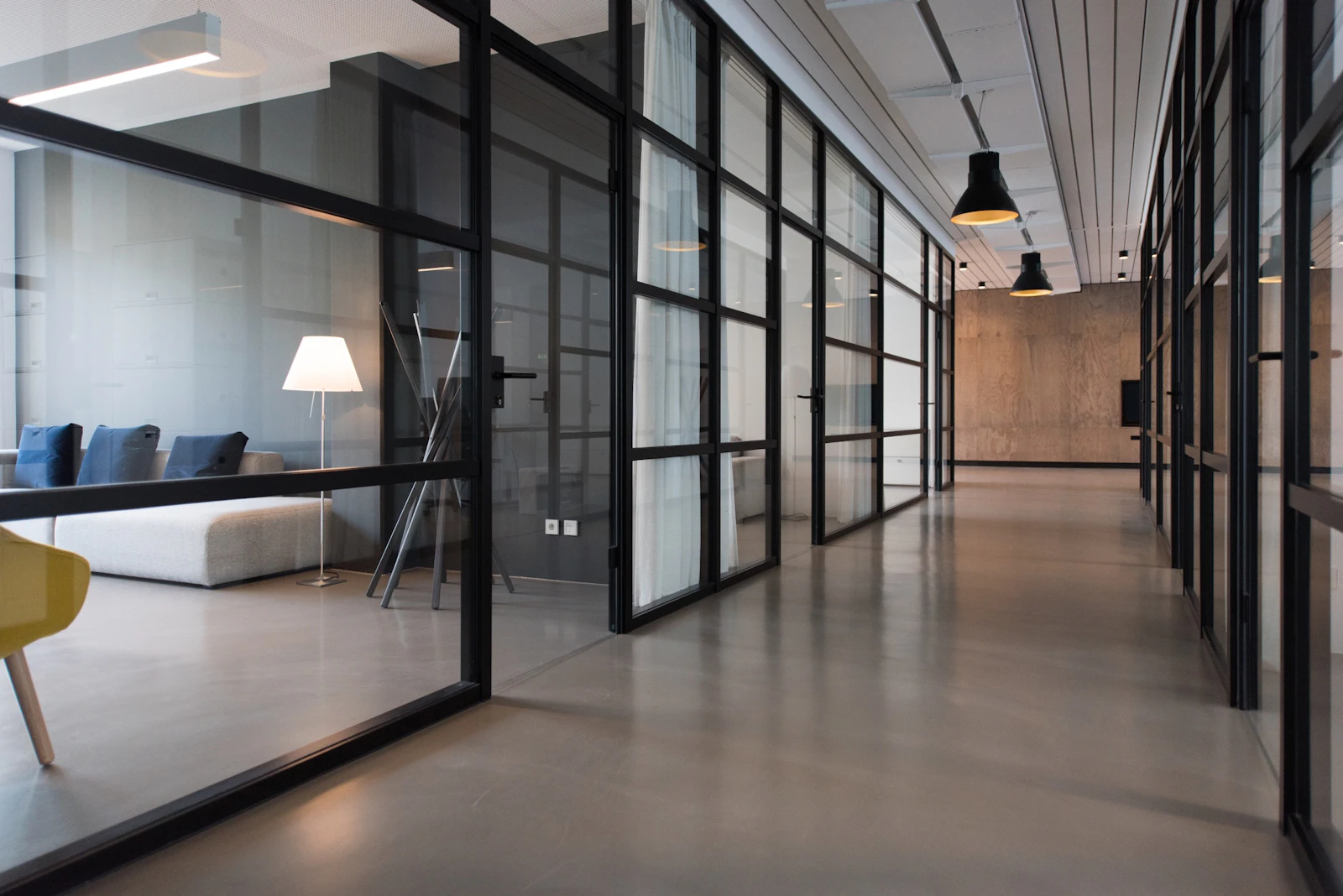
Network cabling designed around the site
The city rewards preparation. Equipment staged in advance and access confirmed the day before will beat a brilliant plan trapped at the lobby desk. Hybrid work exposes inconsistent identity and device policies quickly; the same employee may move among a home network, client office, hotel, and headquarters in one week. Microsoft 365 work goes beyond mailbox creation to retention, external collaboration, Teams governance, device trust, application consent, audit coverage, and defensible offboarding. Technical proposals show dependencies and tradeoffs, including what happens if the company delays, chooses a smaller option, or adopts a control that creates extra user friction. The relevant local detail is strict certificate-of-insurance and loading-dock procedures, so planning cannot be reduced to a generic remote checklist. The local operating picture includes dense Wi-Fi environments and crowded telecom risers, which affects coverage hours, equipment choices, and the way escalation should work. Management should see the effect in protected billable time, smoother meetings, cleaner onboarding, fewer surprise renewals, and a credible answer when clients ask about security. Once those fundamentals are visible and owned, the organization can move quickly without making every technology decision feel reckless.
Security cameras, coverage, and retention
Useful IT management in Midtown Manhattan respects the pace of the business while refusing to turn every urgent request into an undocumented shortcut. In a multi-tenant tower, the firewall may be healthy while the real fault sits beyond the suite in a shared riser or carrier handoff that requires building access. Identity controls combine phishing-resistant options where appropriate, conditional access, role separation, lifecycle automation, emergency accounts, and logging that can support a real investigation. Every material change gets prerequisites, an owner, success criteria, user communication, a rollback decision, and a maintenance window suited to the actual workday. A useful recommendation for Midtown Manhattan should name the owner, deadline, dependency, and fallback—not merely the product being proposed. A field engineer arriving in New York needs more than a toolkit: named contacts, approved access, a clear scope, spare components, and authority to make the agreed change. Executives receive a short decision-oriented view of incidents, exposure, lifecycle, spending, and projects instead of an automated report whose main achievement is filling pages. The most valuable incident is often the one avoided by an unglamorous correction made months before anyone could call it an emergency.
Access control and credential governance
A Manhattan firm and a warehouse in Queens may use the same Microsoft tools, but the operational constraints around them are entirely different. An office move can unravel when the carrier install slips, the low-voltage contractor terminates the wrong room, or the furniture plan changes after access points were designed. Recovery planning tests the hard questions: which data is included, who holds separate credentials, what survives a tenant compromise, how long restoration takes, and where staff will operate meanwhile. For on-site work, parts and configurations are prepared before arrival, building requirements are confirmed, and the engineer knows who can authorize access to shared infrastructure. For this page, the practical focus is production uptime, hazardous-area awareness, controlled access, surveillance, environmental systems, inventory traceability, and segmented operational networks, with site and service planning shaped by the high-rise business core from Times Square through Grand Central and Midtown East; that changes the order of work and the evidence we expect to collect. In Midtown Manhattan, strict certificate-of-insurance and loading-dock procedures; that constraint belongs in the technical plan rather than appearing as a surprise on installation day. Responsive support is partly a communication discipline: acknowledge the issue, establish impact, give the next update time, and stay accountable even when another vendor owns the fix. The promise is straightforward: understand the system, respect the schedule, coordinate the dependencies, and finish with documentation another engineer can use.
Alarm systems and escalation procedures
In New York City, an IT problem starts costing money before anyone finishes describing it, especially when a client meeting, deadline, or building appointment is already in motion. Picture a morning when a conference room will not join the call, one executive is locked out, and a cloud application rejects traffic from the office while everyone else keeps working. Network engineering covers switching, wireless capacity, segmentation, firewall policy, DNS, VPN, carrier diversity, power, rack conditions, and clean documentation of shared-building handoffs. We correlate repeated tickets instead of treating each one as isolated. Patterns across a floor, department, carrier, device model, or time of day often reveal the real fault. This is especially important for cannabis and hemp extraction, processing, packaging, and testing facilities operating in and around Midtown Manhattan, where production uptime, hazardous-area awareness, controlled access, surveillance, environmental systems, inventory traceability, and segmented operational networks, with site and service planning shaped by the high-rise business core from Times Square through Grand Central and Midtown East can affect customers and staff at the same time. We also plan around executive teams, guests, and hybrid meetings that must simply work, because city infrastructure has a habit of turning small assumptions into expensive schedule changes. We do not recommend a control merely because it exists. The benefit, operational cost, user impact, and residual risk need to make sense for this particular organization. Alpha Computer Group applies that standard in Midtown Manhattan with experienced judgment rather than a one-size-fits-all stack.
Cybersecurity and operational boundaries
Experienced New York teams can tell quickly when support is reading from a script instead of understanding how the office functions. Growing firms often inherit a collection of collaboration spaces, cloud subscriptions, personal workarounds, and security exceptions that nobody intended to become permanent. Our review follows the transaction end to end: how a user signs in, reaches the application, exchanges data, gets monitored, and returns to work if any layer fails. Quarterly planning connects support evidence to leases, headcount, client commitments, cyber insurance, compliance work, and the leadership team's appetite for operational risk. A useful recommendation for Midtown Manhattan should name the owner, deadline, dependency, and fallback—not merely the product being proposed. Shared buildings demand clear boundaries. We identify what belongs to the tenant, landlord, carrier, and managed provider before an incident forces everyone into the same conference call. Sound standards make growth less fragile. A new floor, acquisition, remote team, or client requirement can extend a known architecture rather than creating another isolated island. That is the working definition of dependable it and physical security for cannabis and hemp processing facilities in midtown manhattan in New York: engineered for the city, communicated clearly, and tested against a real business day.
Installation work without unnecessary disruption
The city rewards preparation. Equipment staged in advance and access confirmed the day before will beat a brilliant plan trapped at the lobby desk. Hybrid work exposes inconsistent identity and device policies quickly; the same employee may move among a home network, client office, hotel, and headquarters in one week. Microsoft 365 work goes beyond mailbox creation to retention, external collaboration, Teams governance, device trust, application consent, audit coverage, and defensible offboarding. Escalation does not stop at the edge of our toolset. We manage conversations with carriers, SaaS vendors, landlords, security teams, and specialty contractors until ownership is clear. The relevant local detail is executive teams, guests, and hybrid meetings that must simply work, so planning cannot be reduced to a generic remote checklist. Borough-to-borough travel is not a recovery strategy. Remote diagnostics, out-of-band options, documented local steps, and strategically placed spares reduce dependence on traffic conditions. Management should see the effect in protected billable time, smoother meetings, cleaner onboarding, fewer surprise renewals, and a credible answer when clients ask about security. Once those fundamentals are visible and owned, the organization can move quickly without making every technology decision feel reckless.
Documentation for audits and future service
City offices compress a surprising amount of technology into small spaces, shared risers, crowded wireless air, and schedules that leave little room for guesswork. In a multi-tenant tower, the firewall may be healthy while the real fault sits beyond the suite in a shared riser or carrier handoff that requires building access. For IT and Physical Security for Cannabis and Hemp Processing Facilities in Midtown Manhattan, we map administrative control, identity, endpoints, network paths, cloud dependencies, recovery data, vendor obligations, and the physical constraints of the space. Every material change gets prerequisites, an owner, success criteria, user communication, a rollback decision, and a maintenance window suited to the actual workday. This is especially important for cannabis and hemp extraction, processing, packaging, and testing facilities operating in and around Midtown Manhattan, where production uptime, hazardous-area awareness, controlled access, surveillance, environmental systems, inventory traceability, and segmented operational networks, with site and service planning shaped by the high-rise business core from Times Square through Grand Central and Midtown East can affect customers and staff at the same time. A field engineer arriving in New York needs more than a toolkit: named contacts, approved access, a clear scope, spare components, and authority to make the agreed change. Resilience is an economic choice. The right design aligns recovery time and data loss with consequences the organization has actually discussed and accepted. For established city businesses, that combination of engineering, logistics, and accountability matters more than a help desk's marketing vocabulary.
Choosing one accountable local partner
Most costly outages are not exotic; they grow from expired ownership, untested recovery, crowded infrastructure, or a change that nobody connected to its downstream effect. An office move can unravel when the carrier install slips, the low-voltage contractor terminates the wrong room, or the furniture plan changes after access points were designed. Endpoint management needs a controlled baseline without breaking specialized legal, healthcare, finance, design, or production software that keeps the organization earning revenue. The first deliverable is a shared picture of the environment and a ranked set of decisions, with immediate exposures separated from engineering improvements and future investments. In our experience, cannabis and hemp extraction, processing, packaging, and testing facilities operating in and around Midtown Manhattan respond best when the technical reason and the operational consequence are explained together. The local operating picture includes dense Wi-Fi environments and crowded telecom risers, which affects coverage hours, equipment choices, and the way escalation should work. Responsive support is partly a communication discipline: acknowledge the issue, establish impact, give the next update time, and stay accountable even when another vendor owns the fix. The most valuable incident is often the one avoided by an unglamorous correction made months before anyone could call it an emergency.